
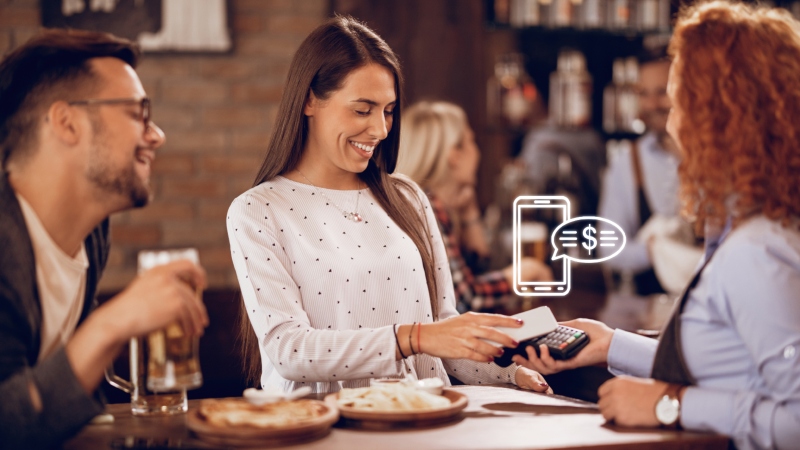
Restaurants used to think about customer engagement mainly inside the dining room. A warm greeting, good service, consistent food, and a memorable experience were enough to bring people back. Those things still matter, but they now represent only one part of the customer relationship. Today, restaurants also need to engage customers before they visit, while they order, after the meal, and when they are deciding where to eat next. That is why digital marketing for restaurants has become a priority for Canadian operators trying to build stronger relationships beyond the table.
The Canadian restaurant market is increasingly shaped by digital habits. Restaurants Canada’s 2025 dining trends report highlights digital-first behavior, couponing, and Gen Z’s influence as signals of changing diner expectations. Customers are not only looking for food. They are looking for convenience, value, personalization, fast ordering, easy communication, and experiences that feel connected across channels.
What Digital Customer Engagement Means for Restaurants
Digital customer engagement is the way a restaurant builds and maintains customer relationships through online channels. It includes every digital interaction a customer has with the restaurant.
This can include:
- Social media posts and messages
- Online ordering
- Branded apps
- Email promotions
- SMS offers
- Loyalty programs
- Review responses
- Digital coupons
- Personalized recommendations
- Push notifications
- Customer feedback surveys
- AI-powered review analysis
The purpose is not only to get one order. The purpose is to keep the restaurant present in the customer’s mind and make it easier for them to return.
Why Engagement Matters More Than One-Time Acquisition
A restaurant can spend money to attract a new customer, but long-term success depends on whether that customer comes back. Digital engagement helps restaurants create repeat behavior. A customer may return because they received a birthday offer, collected loyalty points, got a personalized email, saw a new menu item on social media, or received a push notification about a limited-time combo.
It also notes that loyalty and rewards programs help create ongoing engagement through personalized experiences. For restaurants, this is important because repeat customers are usually easier to bring back than new customers are to acquire.
Customers Expect Restaurants to Be Easy to Reach
Digital engagement starts with accessibility. If customers cannot find your menu, order online, check hours, read reviews, or contact the restaurant easily, they may choose another option.
Customers expect:
- Updated menus
- Clear ordering options
- Accurate hours
- Easy payment
- Delivery and pickup choices
- Responsive communication
- Visible reviews
- Mobile-friendly pages
- Social media updates
This is especially important for restaurants in busy Canadian cities where customers often make quick decisions during lunch breaks, commutes, family evenings, or late-night cravings. A restaurant that is easy to reach digitally creates less friction. That friction reduction can directly affect ordering behavior.
Engagement Is Becoming More Personalized
Generic restaurant promotions are less effective than targeted ones. Customers are more likely to respond when offers match their preferences.
For example:
- A customer who often orders pasta may respond to a pasta night offer.
- A family customer may respond to a weekend family meal deal.
- A lunch customer may respond to weekday combo pricing.
- A lapsed customer may respond to a comeback discount.
- A loyal customer may respond to exclusive early access to a new menu item.
iOrders’ digital marketing service mentions segmented customer lists, timing-optimized send schedules, and data-driven campaigns designed to reach customers with more relevant messages. This type of personalization makes customer engagement feel more useful and less intrusive.
Digital Coupons and Offers Influence Dining Decisions
Value has become a major part of restaurant decision-making. Customers still care about taste and convenience, but promotions often influence where they choose to order. Restaurants Canada’s 2025 dining trends report specifically points to the rise of digital couponing as one of the signals shaping the industry. Digital offers work well because they can be targeted, measured, and adjusted. A restaurant can test different promotions for lunch, dinner, pickup, delivery, holidays, birthdays, or slow weekdays.
The key is not to discount randomly. Restaurants should use offers strategically to:
- Encourage first orders
- Bring back inactive customers
- Increase repeat visits
- Promote slow-moving items
- Support new menu launches
- Fill off-peak hours
- Reward loyal customers
When tied to customer data, promotions become a relationship tool rather than a short-term price cut.
Social Media Keeps the Restaurant Visible Between Orders
Customers may not order every day, but they can still see a restaurant regularly through social media. This keeps the brand familiar.
Good social media engagement can include:
- Menu highlights
- Behind-the-scenes kitchen clips
- Staff stories
- Customer reposts
- New item announcements
- Seasonal specials
- Limited-time offers
- Local community content
- Short videos
- Polls and questions
DoorDash Canada reported that nearly half of Canadians had ordered a trending restaurant item from social media for delivery, showing how social content can directly influence food ordering decisions. For restaurants, this means social content is not only about likes. It can become part of the order journey.
Online Reviews Are an Engagement Channel
Reviews are often treated as reputation management, but they are also customer engagement. Every response tells future customers how the restaurant handles praise, complaints, and service issues. A warm response to a positive review can strengthen loyalty. A pattern of ignored reviews can create doubt.
iOrders’ digital marketing planning content references AI-powered review systems as a way for restaurants to understand customer preferences, track satisfaction, and improve offerings. This matters because customers often trust review platforms before trying a restaurant. A strong review presence helps turn digital attention into real visits and orders.
Branded Ordering Creates a Stronger Relationship
Third-party marketplaces can help restaurants gain visibility, but the customer relationship often remains controlled by the platform. The restaurant may not have full access to customer data, ordering patterns, or direct communication options. A branded ordering system changes that. When customers order directly through the restaurant’s website or app, the restaurant can build a stronger relationship over time.
Direct ordering allows restaurants to:
- Collect customer data
- Track preferences
- Promote loyalty
- Send personalized offers
- Build branded experiences
- Reduce dependency on third-party platforms
- Improve repeat ordering
iOrders offers commission-free ordering, white-label mobile apps, loyalty and rewards, smart campaigns, AI-powered review systems, and managed marketing services for restaurants. This makes engagement more connected. The restaurant is not just fulfilling an order. It is building a customer relationship.
Why Restaurants Are Investing Now
Restaurants are investing more in digital engagement because customer behavior has changed. People order from phones, compare reviews, expect fast service, respond to offers, and interact with brands online. At the same time, restaurants face pressure from rising costs, delivery platform fees, labor constraints, and increased competition. Digital engagement helps operators build more predictable demand by keeping customers connected.
For independent restaurants, this is especially important. Large chains often have apps, loyalty programs, marketing teams, and customer data systems. Smaller restaurants need tools that make similar capabilities accessible without requiring a large internal team. iOrders positions its restaurant marketing solution as a way to provide managed marketing services and dashboard-based control without the overhead of hiring multiple specialists.
How Restaurants Can Build Better Digital Engagement
A practical engagement strategy should connect customer communication with ordering and loyalty.
Restaurants can focus on:
- Building a direct ordering channel
- Capturing customer emails and phone numbers
- Creating loyalty rewards
- Sending targeted offers
- Posting consistently on social media
- Responding to reviews
- Promoting seasonal menu items
- Using customer data to personalize campaigns
- Measuring repeat orders
- Testing offers for slow periods
The goal is to create ongoing communication that feels useful to the customer and profitable for the restaurant.
Conclusion
Restaurants are investing more in digital customer engagement because customer relationships now extend far beyond the dining room. Diners discover restaurants online, place orders through digital channels, respond to offers, check reviews, and expect convenient communication. For Canadian restaurants, the opportunity is to build direct, repeatable engagement instead of depending only on walk-ins or third-party marketplaces. Digital tools help restaurants stay visible, personalize offers, manage reviews, promote loyalty, and turn one-time customers into repeat guests.
iOrders supports this shift with digital marketing services, commission-free ordering, loyalty tools, smart campaigns, branded apps, and AI-powered review capabilities. For restaurants that want stronger customer relationships, digital engagement is becoming one of the most important parts of modern growth.